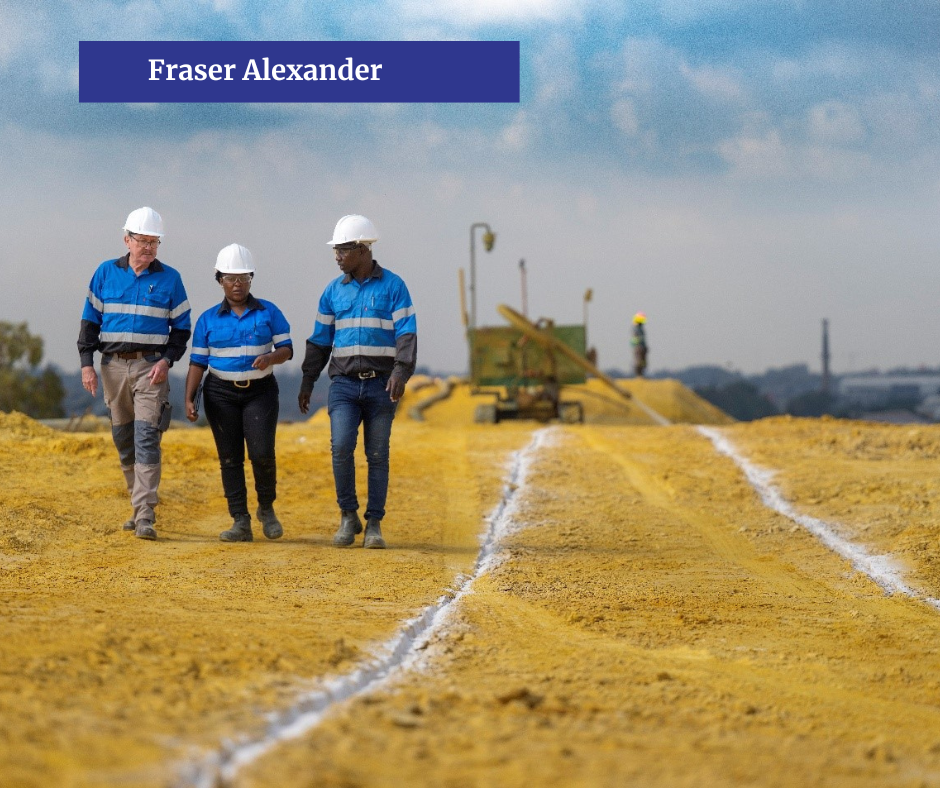
Zambia’s small-scale copper mining sector recorded a sharp decline in production during the first half of 2026, highlighting the challenges facing locally owned and smaller mining operations even as the country works to expand overall copper output.
Small-scale copper production fell by 35.2% during the first six months of 2026, with the decline linked largely to shortages of sulphuric acid and a prolonged rainy season that affected mining activities.
The decline comes at a critical time for Zambia, which is pursuing an ambitious strategy to significantly increase copper production and strengthen the participation of Zambian-owned companies in the mining value chain.
While large-scale mining operations have continued to invest in new equipment, mine expansion and production capacity, smaller operators remain exposed to challenges involving access to financing, processing inputs, infrastructure and reliable markets.
Overall copper production records modest growth
Despite the significant decline among small-scale producers, Zambia’s overall copper production increased marginally during the first half of 2026.
The country produced approximately 447,181 tonnes of copper between January and June 2026, compared with about 445,175 tonnes during the same period in 2025.
The modest increase was supported by stronger performance from several large-scale mining operations, including Kansanshi, Konkola Copper Mines, Lumwana, Lubambe, Sentinel and Mufulira.
However, some major producers experienced declines due to planned maintenance and operational challenges.
The contrasting performance demonstrates that Zambia’s mining recovery is not occurring evenly across the sector. While large-scale producers have access to significant capital and modern mining equipment, smaller operators continue to face constraints that can quickly affect production.
Sulphuric acid shortage affects production
One of the major challenges affecting the sector is the shortage of sulphuric acid, an important input in copper processing.
The shortage has affected smaller mining companies as well as larger operations, creating additional pressure on producers attempting to maintain or increase output.
For small-scale miners, the impact can be particularly significant because they often have fewer options when sourcing critical processing materials and may not have the financial strength to absorb higher input costs.
The situation has also highlighted the importance of strengthening Zambia’s domestic mining supply chain.
As the country seeks to increase copper production, greater attention will need to be paid not only to the development of mines but also to the availability of the chemicals, equipment, electricity, transport and other services required to keep those mines operating efficiently.
Rainy season adds further pressure
The extended rainy season also contributed to the decline in small-scale copper production.
Heavy and prolonged rainfall can affect access roads, transportation, mine development and general operations, particularly at smaller mines where infrastructure may be less developed.
For operators working with limited resources, prolonged disruptions can translate directly into fewer production days and lower output.
The combination of adverse weather conditions and shortages of key processing inputs therefore created a difficult operating environment for small-scale copper producers during the first half of the year.
Government pushes formalisation of small-scale mining
The production decline comes as the government continues efforts to formalise and strengthen Zambia’s artisanal and small-scale mining sector.
Small-scale mining plays an important role in creating employment and expanding local participation in the country’s mineral economy. Government has therefore been encouraging operators to move into the formal economy while improving safety, regulation and access to technical support.
More mining cooperatives have been receiving training and assistance, while authorities continue to process applications for mineral rights.
A significant number of newly approved mining rights have been allocated to Zambian citizens involved in artisanal and small-scale mining, reflecting the government’s efforts to increase local ownership and participation.
The formalisation programme is expected to help improve production records, strengthen safety standards and make it easier for legitimate operators to access financing and technical services.
Zambia targets major increase in copper production
The performance of the small-scale sector is becoming increasingly important as Zambia pursues its ambitious copper production targets.
The government has set a target of achieving 3 million tonnes of annual copper production by 2031, requiring substantial increases from both existing mines and new projects.
Major mining companies are investing billions of dollars in expansion programmes, while new exploration projects are being developed across the Copperbelt and North-Western provinces.
However, large-scale mining alone may not be sufficient to deliver the country’s long-term production ambitions.
Small and medium-sized producers could make an increasingly important contribution if they receive adequate support in areas such as financing, exploration, technology, equipment and processing.
Critical minerals provide additional opportunities
Copper is not the only mineral showing growth in Zambia.
Production of several other minerals increased during the first half of 2026, including cobalt, nickel, manganese, gold and coal.
The strong increase in nickel and manganese production is particularly important as Zambia seeks to position itself within the global critical minerals and energy-transition supply chains.
The country has also been exploring opportunities to increase local processing and value addition rather than relying primarily on the export of raw or semi-processed minerals.
This diversification could create additional opportunities for smaller mining companies and local suppliers if the necessary industrial infrastructure is developed.
Local supply chains remain critical
The decline in small-scale copper production also highlights a broader issue facing Zambia’s mining industry: the need to develop a stronger domestic supply chain.
Mining companies depend on a wide range of locally available products and services, from chemicals and heavy equipment to engineering, transport, maintenance and financial services.
If these inputs are unavailable or too expensive, production can be affected regardless of how strong commodity prices are.
For Zambia to fully benefit from its mineral wealth, developing local businesses capable of supplying the mining industry will therefore be just as important as attracting investment into new mines.
What the decline means for the sector
The 35.2% decline in small-scale copper production is a significant setback, particularly at a time when copper prices remain supportive and Zambia is seeking to dramatically increase national output.
However, the decline also provides an opportunity to identify and address the structural challenges affecting smaller producers.
Improved access to finance, reliable supplies of processing chemicals, better infrastructure, technical training, modern equipment and stronger market access could help small-scale operators increase production and become more sustainable.
The government’s continued formalisation efforts could also provide a foundation for integrating more small-scale producers into the formal mining economy.
Zambia’s copper ambitions require broader participation
Zambia’s mining sector is entering an important period of expansion, with major investments expected to increase copper production over the coming years.
But achieving the country’s long-term ambitions will require growth across the entire mining ecosystem.
Large-scale producers will remain central to Zambia’s copper strategy, but smaller operators can also play an important role in increasing production, creating employment and expanding local ownership.
The sharp fall in small-scale copper output during the first half of 2026 therefore serves as a warning that production growth cannot depend solely on higher copper prices or major new mining investments.
Addressing the practical challenges faced by smaller producers — particularly access to essential processing inputs, infrastructure, finance and technology — will be critical if Zambia is to build a mining industry that is not only larger, but also more inclusive, locally driven and capable of generating greater economic value for the country.