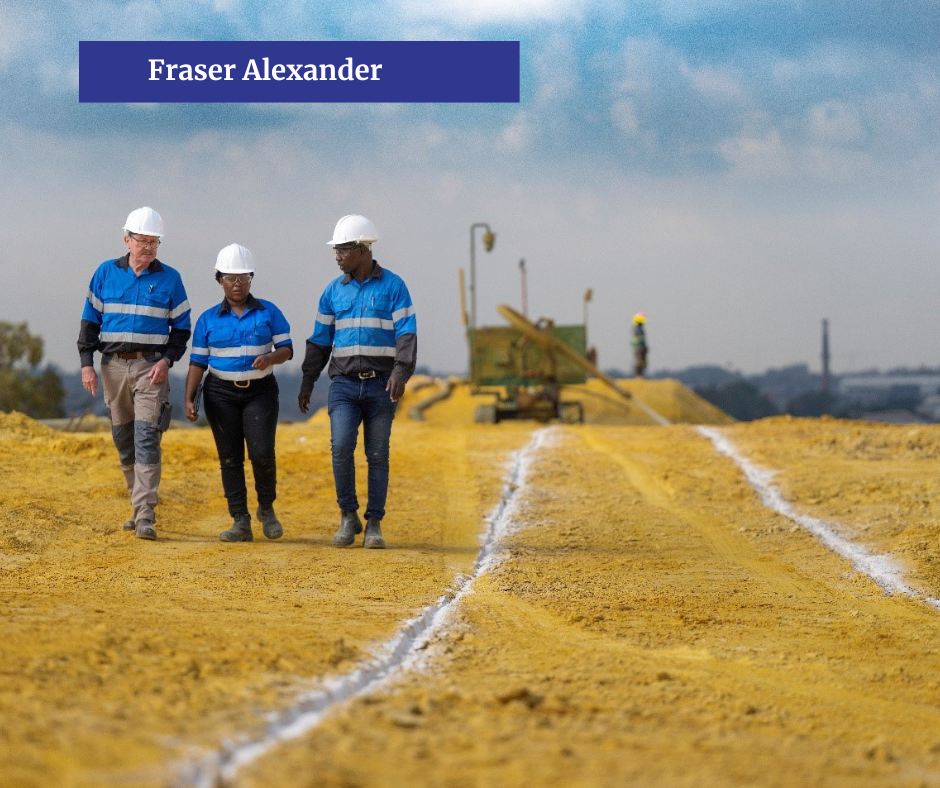
International advocacy organisation Global Witness has released an investigative report alleging that Canadian mining company First Quantum Minerals (FQM) has exercised significant political influence in Zambia over the past two decades, including claims of financial support for the ruling United Party for National Development (UPND) and benefiting from favourable government policies.
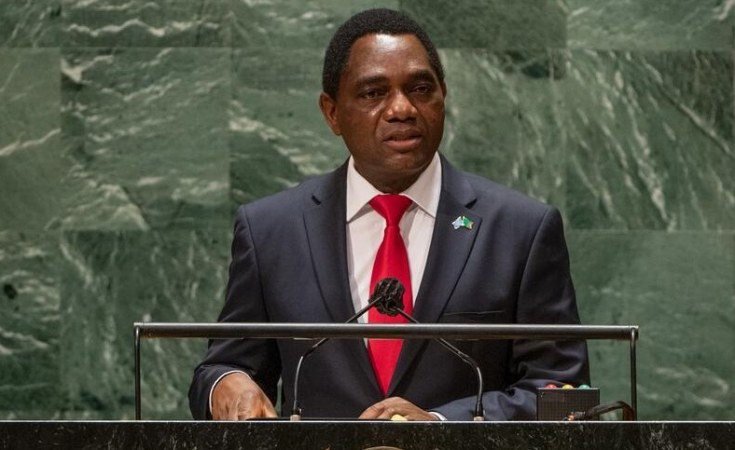
The report alleges that FQM, Zambia’s largest copper producer, has maintained close relationships with influential political and policy-making circles, enabling the company to secure substantial commercial and regulatory advantages since President Hakainde Hichilema assumed office in 2021.
Among the key claims is that tax reforms introduced between 2022 and 2025 significantly reduced the company’s tax burden, while several legal disputes involving FQM and state-owned mining investment company ZCCM-IH were resolved during the same period. Global Witness argues that these developments have delivered major financial benefits to the mining giant.
The investigation further alleges that FQM has supported the UPND across multiple election cycles and may be one of the party’s largest financial backers ahead of Zambia’s 2026 general elections. However, the report acknowledges that it has found no evidence of corruption or any breach of Zambian electoral laws by the company.
First Quantum Minerals has firmly rejected all allegations contained in the report. In its response, the company stated that it has never funded President Hichilema or the UPND and described the allegations as “false, malicious and unsubstantiated.” FQM also reiterated that it operates under strict anti-corruption and compliance standards and undergoes independent financial audits.
The report also examines the role of external organisations and consultants, including the Brenthurst Foundation and international political advisory firms, alleging that they played influential roles in shaping government policy and election strategies. It further raises concerns over the relationship between multinational mining companies, foreign advisory groups and Zambia’s democratic institutions.
One section of the investigation focuses on the controversy surrounding proposed constitutional amendments in late 2025, alleging that opposition lawmakers were subjected to political pressure before Parliament voted on the proposed changes. The report references allegations made by political figures and unnamed sources regarding the circumstances surrounding the vote. The owners of the Royal Zambezi Lodge, where some meetings allegedly took place, were not accused of wrongdoing, and Global Witness stated it found no evidence that they were aware of any alleged political activities.
The publication of the report comes at a time when Zambia is positioning itself as a leading global supplier of copper, a mineral considered critical to the worldwide energy transition. The government has set ambitious production targets aimed at significantly increasing copper output over the coming years while attracting new investment into the mining sector.
The allegations have sparked debate over transparency, corporate influence and governance within Zambia’s mining industry. Analysts note that maintaining investor confidence while ensuring accountability and strong institutions will remain essential as the country continues to expand its mining sector.
As Zambia prepares for the 2026 general elections, the report is expected to generate further discussion among policymakers, industry stakeholders and civil society organisations regarding the relationship between political leadership, foreign investment and the governance of the country’s natural resources.
Neither the Zambian Government nor President Hakainde Hichilema had issued a comprehensive public response to the report at the time of publication.