

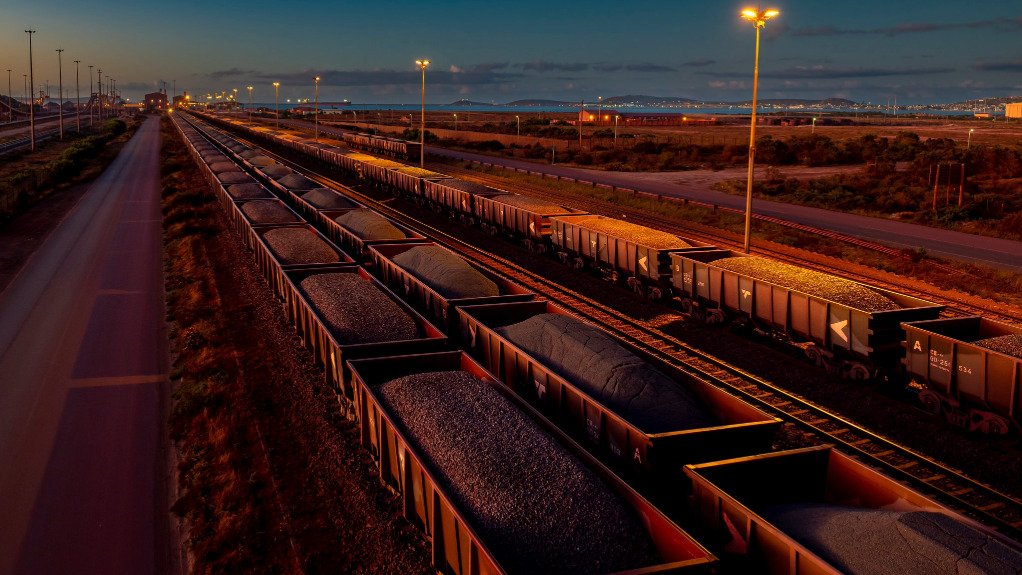

Iron ore has emerged as one of the few major commodities largely unaffected by the ongoing conflict involving Iran, even as energy and metals markets continue to experience volatility. However, beneath the surface stability, shifting market dynamics and unexpected Chinese import data are drawing attention across the industry.
China remains the dominant force in the global iron ore market, purchasing roughly three-quarters of all seaborne iron ore and using it to supply steel mills that produce more than half of the world’s steel.
Most of China’s imported iron ore originates from Australia and Brazil, with smaller volumes supplied by countries such as South Africa and Guinea. Unlike oil and liquefied natural gas shipments, iron ore trade routes largely avoid the Strait of Hormuz, insulating the market from disruptions caused by heightened tensions in the Middle East.
As a result, iron ore prices have remained relatively stable throughout the year. Singapore Exchange iron ore futures have traded within a narrow range of approximately US$14 per tonne, centred around US$105 per tonne.
Prices briefly climbed from US$98.20 per tonne in February to a high of US$111.91 per tonne in May amid concerns that disruptions to marine fuel supplies could affect shipping costs. However, as fears eased, prices moderated, with iron ore closing at US$101.65 per tonne on June 10.
China’s Imports Continue to Grow
Despite concerns over global economic uncertainty, China’s iron ore imports remained resilient during the first five months of the year.
According to customs data, China imported 516.26 million tonnes of iron ore between January and May, representing a 6.3% increase compared with the same period last year.
However, May import figures surprised market observers. Official data showed imports of 97.71 million tonnes, down 6% from April and marking the lowest monthly total in three months.
The figures differed significantly from estimates provided by commodity tracking firms. DBX Commodities estimated May seaborne imports at 105.56 million tonnes, while Kpler placed arrivals at 106.4 million tonnes.
Although discrepancies between customs and vessel-tracking data are not uncommon, an 8-million-tonne difference is considered unusually large. Analysts suggest some cargoes arriving near the end of May may have been recorded in June, potentially resulting in a rebound in official import figures next month.
Steel Production Remains Under Pressure
While iron ore imports have remained strong, China’s steel industry continues to face challenges.
Steel output declined by 4.1% during the first four months of the year, falling to 331.12 million tonnes.
Part of the difference between stronger iron ore imports and weaker steel production can be explained by elevated stockpiles at Chinese ports. Port inventories reached a record 166.91 million tonnes in March before easing to 159.09 million tonnes in early June. Despite the decline, inventory levels remain significantly higher than a year ago.
Declining Domestic Supply Supports Imports
Another factor supporting iron ore imports is the gradual decline in China’s domestic iron ore production.
According to MySteel data, domestic output fell 1% year-on-year to 326.8 million tonnes during the first four months of the year. This follows a 2.8% decline recorded in the previous year.
China’s domestic iron ore generally contains between 20% and 30% iron, substantially lower than imported ores that typically contain between 60% and 65% iron. Upgrading lower-grade domestic ore requires additional processing, making imported material more attractive despite fluctuations in global markets.
As global geopolitical tensions continue to affect commodity markets, iron ore remains relatively insulated. However, developments in Chinese demand, inventories and domestic production are likely to remain the primary drivers of market sentiment in the months ahead.




You must be logged in to post a comment.